


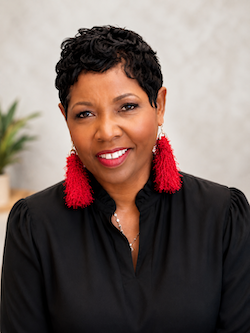
M.A., LPC-S
 Keller, TX
Abuse/Neglect, ADHD, Adolescents, Adulting / College Students, Anger Management, Anxiety, Bipolar, Blended Families, Christian Counseling, Codependency, Conflict Resolution, Depression, Domestic Violence Issues, Families, Grief / Loss, Parenting, PTSD, Spiritual, Suicidal Thoughts / Actions, Trauma, Women’s Issues

M.S., LPC
Colleyville, TXAnger Management, Anxiety, Depression
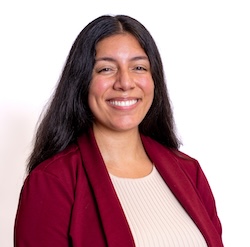
M.A., LMFT Associate
Supervised by Russ Bartee, Ph.D., LMFT-S
Lewisville, TXAnger Management, Anxiety, Blended Families, Couples, Conflict Resolution, Depression, Families, Relationship Issues
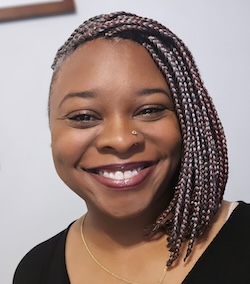
MSSW, LMSW
Supervised by Nicole Morales, LCSW-S
Mansfield, TXAbuse/Neglect, Anger Management, Anxiety, Blended Families, Codependency, Conflict Resolution, Families, Geriatric Issues, Grief / Loss, LGBTQ+, Relationship Issues, Trauma

MSW, LCSW
Mansfield, TXAdoption Issues, Abuse/Neglect, ADHD, Adolescents, Adulting / College Students, Anger Management, Anxiety, Attachment Issues, Bipolar, Blended Families, Couples, Codependency, Conflict Resolution, Depression, Eating Disorders, Families, Grief / Loss, LGBTQ+, Parenting, PTSD, Relationship Issues, Singleness, Substance Use / Abuse, Suicidal Thoughts / Actions, Trauma

M.S., LPC, NCC
Colleyville, TXAdolescents, Adulting / College Students, Anxiety, Couples, Conflict Resolution, Depression, LGBTQ+, Men’s Issues, Premarital Counseling, Relationship Issues
M.S., LPC, NCC
Fort Worth, TXAdolescents, Adulting / College Students, Anxiety, Couples, Conflict Resolution, Depression, LGBTQ+, Men’s Issues, Premarital Counseling, Relationship Issues
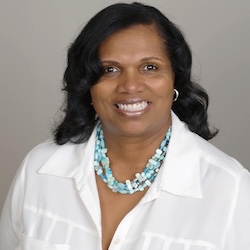
B.S., Practicum Student
Arlington, TXAdolescents, Adulting / College Students, Anger Management, Anxiety, Attachment Issues, Blended Families, Couples, Conflict Resolution, Depression, Families, Grief / Loss, LGBTQ+, Military / First Responder Issues, Trauma
MMFT, LPC-Associate
Supervised by Beth Ann Contreras, MMFT, LPC-S
Southlake, TXAdultery, Abuse/Neglect, ADHD, Adolescents, Adulting / College Students, Anger Management, Anxiety, Attachment Issues, Blended Families, Christian Counseling, Couples, Conflict Resolution, Depression, Domestic Violence Issues, Eating Disorders, Families, Geriatric Issues, Grief / Loss, Parenting, Premarital Counseling, PTSD, Relationship Issues, Trauma, Women’s Issues